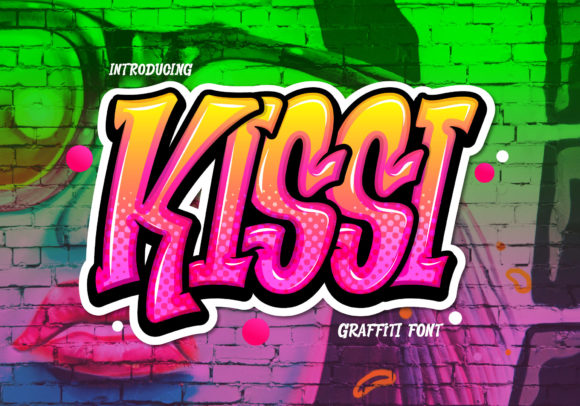
Kissi: The Cool, Graffiti-Style Display Font for Bold Brands
Understanding the Kissi Typeface: More Than Just Letters
In the crowded world of design assets, finding a typeface that genuinely captures a specific mood can be a challenge. Kissi is a premium font that stands out by embracing a distinct street art aesthetic. It is classified as a display typeface, meaning it is designed for large headlines and impactful visual statements rather than long blocks of body text. The visual character of Kissi is defined by its graffiti-inspired strokes, which often include elements like dripping paint effects, rough edges, or dynamic, flowing forms that mimic the work of a spray can.
The personality of this creative font is unapologetically urban, energetic, and youthful. It doesn't try to be refined or overly polished. Instead, it leans into an authentic, raw vibe that resonates with audiences who appreciate culture, movement, and a bit of edge. When you look at the letterforms, you'll notice the emphasis on flow and impact. Each character feels like it was crafted for visibility, making Kissi an excellent choice for projects where the goal is to make an immediate impression. It’s the kind of typeface that can make a logo feel more grounded and culturally relevant, especially in industries like streetwear, extreme sports, or independent music.
Where Kissi Shines: Practical Applications for Creators and Businesses
The true value of a font like Kissi is in how it’s applied. It’s not a one-size-fits-all solution, but for the right project, it can be transformative. Let’s break down some of the most effective uses.
Branding and Logo Design: If you’re developing a brand identity for a skate shop, a record label, an urban clothing line, or a trendy café, Kissi can form the backbone of your visual language. Its bold nature means it works beautifully for logos, wordmarks, and monograms. However, a key consideration is balance. Pairing Kissi with a clean, minimalist sans serif font for body text is crucial. This contrast allows the display font to command attention in headlines while ensuring your supporting copy remains highly readable. Think of a t-shirt design where the brand name is in Kissi, and the website URL or tagline is in a simple Helvetica or Futura.
Marketing and Advertising: For digital and print campaigns, Kissi is a powerhouse. It’s perfect for social media graphics, event posters, festival flyers, and YouTube thumbnails. The font’s inherent energy can stop a scrolling thumb in its feed. When used in advertising, it helps convey a sense of authenticity and coolness. A local concert promoter using Kissi on posters instantly communicates the genre and vibe of the event. Similarly, an entrepreneur selling custom sneakers could use the font on packaging inserts or thank-you cards to reinforce the product's street-inspired roots.
Product and Packaging Design: On physical goods, the impact is tangible. Kissi is ideal for clothing labels, hang tags, and the front of merchandise like hoodies and caps. It’s also surprisingly effective in packaging design for products targeting a younger demographic, such as energy drinks, skateboarding accessories, or even artisanal hot sauces that want to project a rebellious image. The key is to ensure the font’s style aligns with the product’s story. A premium, organic skincare line might not be the best fit, but a limited-edition streetwear drop absolutely would.
Digital and Editorial Projects: In the realm of web design and publishing, use Kissi strategically. It can make a blog header for a music or art publication feel more immersive. For digital magazines or e-books focused on urban culture, it sets the tone from the first page. It’s also a great choice for app icons or splash screens that need to convey a specific mood quickly. Remember, in digital spaces, always test for screen rendering. The gritty details of a graffiti font can sometimes get lost on low-resolution displays, so check how it looks on various devices.
Making the Right Choice: Selecting and Pairing Kissi
Choosing a font is a design decision that affects readability, hierarchy, and perception. Here’s how to approach Kissi thoughtfully.
Evaluate Your Project’s Core Message: Before downloading, ask yourself: Does my project call for a rebellious, urban, or energetic tone? If you’re designing a corporate annual report, Kissi is likely the wrong tool. If you’re creating a poster for a local art show or branding for a new streetwear brand, it’s a strong candidate. The font should amplify your message, not clash with it.
Test Font Pairings Rigorously: Never use a display font in isolation. The most professional designs use a font pairing strategy. For Kissi, the best partners are usually neutral, geometric, or humanist sans serif fonts. These provide a clean canvas that lets Kissi’s personality pop without causing visual chaos. Avoid pairing it with other highly decorative fonts like ornate serifs or busy script fonts, as this will lead to a cluttered, illegible design. A simple test is to create a mockup of a headline in Kissi and a subheadline in your chosen body font. If they feel harmonious, you’re on the right track.
Review the Font’s Included Styles and Licensing: A professional premium font often comes with multiple styles—regular, bold, italic, or even alternate characters. Check what’s included. Does Kissi have a condensed version for tight spaces? Are there stylistic alternates to customize the look? Also, and this is critical, understand the license. If you’re using it for a client’s logo or on merchandise for sale, you need a commercial license. Many free fonts are for personal use only. Investing in the proper license for a commercial font protects you legally and ensures you’re supporting the type designer’s work.
Prioritize Readability in Context: A common pitfall with decorative fonts is sacrificing readability for style. While Kissi is meant to be seen, it must still be legible at the size and in the context you use it. Test it at the intended size. If it’s for a logo, how does it look as a small favicon? If it’s for a poster, can it be read from a distance? Sometimes, simplifying the text or adjusting tracking (the space between letters) can improve clarity without losing the font’s essential character.
Ultimately, Kissi is a powerful tool in a designer’s kit. Its strength lies in its ability to inject authenticity and a specific cultural vibe into a project. Used with intention and paired wisely, it can elevate a brand’s identity, make marketing materials more compelling, and give creative projects a distinct, memorable voice. It’s a testament to how modern typography can capture not just words, but an entire attitude.