Steel Wall: Commanding Attention with Bold, Heavy Typography
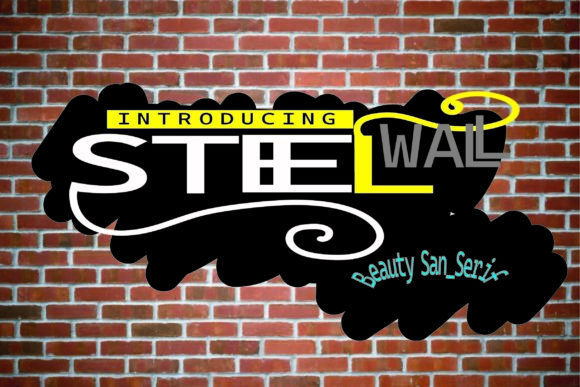
When your design needs to stop the scroll, grab attention, and refuse to let go, you need a typeface that doesn’t whisper—it shouts. Steel Wall is that typeface. This is not a font for delicate captions or subtle body text. It’s a bold, thick, unapologetically heavy display font built for impact. Think of it as the typographic equivalent of a steel girder: strong, immovable, and impossible to ignore.
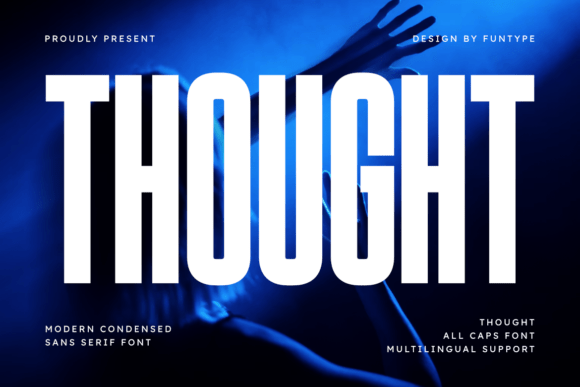
At its core, Steel Wall is a premium font designed for headlines, logos, and any creative project where visual weight is non-negotiable. Its letterforms are constructed with substantial stroke width, giving it a powerful, blocky presence. The personality is industrial, modern, and confident. It doesn’t try to be elegant or whimsical; it aims to dominate the visual space. This makes it an exceptional choice for brand identity work that needs to convey strength, reliability, and authority. If you’re building a brand in fitness, construction, automotive, tech hardware, or extreme sports, this font’s DNA aligns perfectly with that energy.
Where This Heavyweight Typeface Truly Shines
The real-world applications for a display font like Steel Wall are specific and powerful. Its strength lies in short, high-impact text blocks. Using it for an entire paragraph would be a readability disaster, but deploying it strategically can elevate a design from good to unforgettable.
- Logo Design & Branding: This is its home turf. Steel Wall creates logos that are memorable and ownable. Its thick strokes ensure legibility even at small sizes or when embroidered on merchandise. It works brilliantly for wordmarks or as the primary typeface paired with a simpler sans serif font for supporting text.
- Packaging Design: On a shelf crowded with competing products, Steel Wall helps your packaging stand out. It’s perfect for product names, brand callouts, or any text that needs to be read from a distance. Imagine it on a protein powder tub, a craft beer label, or a power tool box—it immediately communicates product potency.
- Editorial & Publishing: Use it for magazine covers, chapter titles in books, or pull quotes in articles. It adds a layer of graphic punch to editorial design, creating strong visual hierarchy that guides the reader’s eye.
- Digital & Social Media: In the fast-paced world of social media graphics, a bold headline can mean the difference between engagement and being scrolled past. Steel Wall is perfect for YouTube thumbnails, Instagram story headers, and promotional banners. Its PUA encoding is a practical bonus here, allowing easy access to all glyphs and swashes for unique stylistic touches without needing advanced design software skills.
- Event & Promotional Materials: Concert posters, festival banners, sale announcements, and motivational prints benefit from its commanding presence. It creates a sense of occasion and urgency.
Making It Work: Practical Guidance for Designers and Creators
Choosing a creative font is only half the battle; using it effectively is where the real skill lies. Here’s how to integrate Steel Wall into your projects without common pitfalls.
Evaluating Project Fit: Before you even download, ask: does my project need to feel bold, strong, industrial, or authoritative? If the answer is yes, proceed. If you’re designing a wedding invitation, a children’s book, or a luxury spa brochure, this is likely the wrong tool. Always match the font’s personality to the project’s message.
Testing Font Pairings: A heavy display font needs a counterbalance. Steel Wall pairs exceptionally well with clean, neutral typefaces. Try it with a geometric sans serif font like Montserrat or Poppins for a modern, tech-forward look. For a more traditional or professional feel, pair it with a classic serif font like Times New Roman or Georgia. The key is contrast: let Steel Wall own the headlines, and let a simpler font handle the readable body copy.
Readability Considerations: This is critical. Due to its extreme thickness, letter-spacing and line-height are your best friends. In digital applications, especially at smaller sizes, slightly increasing the tracking (letter-spacing) can prevent letters from visually merging. Always test your headline on multiple devices and at various sizes to ensure clarity. For print, a physical proof is invaluable.
Leveraging Included Styles: Don’t overlook the extras. As a PUA encoded font, Steel Wall likely includes stylistic alternates, ligatures, or swashes. These can be used to add a custom, handcrafted feel to your typography, perfect for a unique logo monogram or a special headline treatment. Accessing these glyphs is straightforward in most modern design software.
Commercial Licensing: If you’re using this for a client project, a product you sell, or any commercial endeavor, ensure you have the correct license. Using a commercial font without proper licensing is a serious risk. Most premium font licenses are clear—purchase once for a specific number of users or projects. Always read the license agreement to understand your rights and restrictions.
Ultimately, Steel Wall is a specialized tool in your design assets toolkit. It’s not for every job, but when the job calls for maximum impact, it delivers. It influences brand perception by injecting strength and recognition into your visual language. It establishes a professional, consistent hierarchy that directs your audience’s attention exactly where you want it. Used wisely, it’s more than just a font—it’s a strategic component of your creative arsenal.