Why Vintage Bloom Feels Like a Handwritten Letter
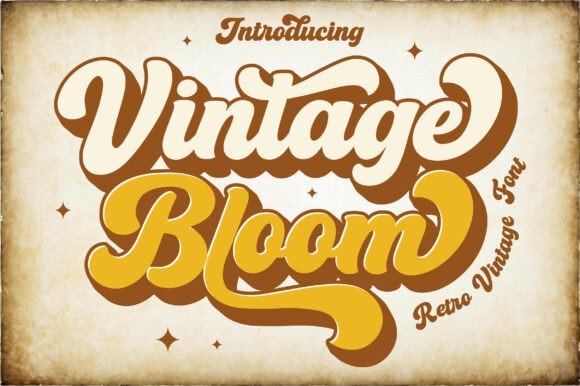
There’s a reason certain designs stop you mid-scroll. They feel personal, crafted, and full of character. That’s the quiet power of a typeface like Vintage Bloom. It isn’t just a script font; it’s a stylist with a clear point of view. Its smooth, flowing curves and slightly playful bounce evoke the warmth of a well-loved invitation or a cherished family recipe card. For designers, marketers, and business owners, this isn’t about chasing a fleeting trend. It’s about tapping into a timeless visual language that communicates authenticity and care.
More Than Nostalgia: Where Vintage Bloom Truly Shines
While its aesthetic is rooted in the past, the applications for a premium font like this are thoroughly modern and surprisingly versatile. Its strength lies in projects where you want to inject warmth, personality, and a human touch. Think beyond the obvious. Yes, it’s a natural fit for vintage-style branding and retro-themed logos, but its elegance translates beautifully into contemporary contexts.
- Branding & Identity: It’s a fantastic choice for a primary logo or brand mark for businesses that value connection—boutiques, artisan food producers, craft breweries, wedding planners, or indie bookstores. It instantly tells a story of craftsmanship and attention to detail.
- Packaging Design: On a coffee bag, a candle label, or a gourmet sauce, Vintage Bloom adds a layer of perceived quality and artisanal care. It helps a product stand out on a shelf crowded with sterile, generic sans serif fonts.
- Marketing & Social Media: For Instagram graphics, Pinterest pins, or Facebook ads, a display font like this creates immediate visual interest. Use it for headlines or short, impactful quotes to stop the scroll and convey a specific mood. It pairs beautifully with clean photography.
- Editorial & Publishing: In editorial design, it’s perfect for chapter titles, pull quotes, or magazine headers. It adds a touch of sophistication and narrative flair, especially in lifestyle, food, or travel publications.
- Personal & Craft Projects: For wedding invitations, greeting cards, or custom stationery, it brings a bespoke, heartfelt quality that pre-installed fonts often lack. For crafters and hobbyists, it’s a valuable design asset that elevates DIY projects.
The Strategic Choice: Pairing, Readability, and Professional Polish
Choosing a creative font is a strategic decision, not just an aesthetic one. Vintage Bloom excels as a headline or accent font. Its detailed letterforms are designed for impact at larger sizes. This is crucial for maintaining a clear visual hierarchy in your design. Using it for long paragraphs of body copy would compromise readability; that’s where a sturdy, complementary serif or sans serif font comes in.
A successful font pairing is about contrast and harmony. Try coupling Vintage Bloom with a simple, geometric sans serif for a modern-retro vibe. Alternatively, pair it with a classic, readable serif for a more traditional and elegant feel. Test the pairing at the actual size it will be used. Does the body text remain clear? Do the two fonts share a similar x-height or weight to feel cohesive?
From a brand perception standpoint, consistency is key. Using Vintage Bloom across your touchpoints—from your website header to your social media graphics to your product packaging—builds a recognizable and professional brand identity. It signals that you’ve considered every detail. However, always check the licensing for your specific use case, especially for commercial projects. Understanding the terms for a commercial font is part of professional practice and protects your work.
Bringing It All Together
Ultimately, a typeface is a tool for communication. Vintage Bloom is a specialized tool that communicates warmth, elegance, and a story. It’s not the right fit for a tech startup’s main interface or a legal document, but for the right project, it’s transformative. It helps a brand feel more human, a product feel more considered, and a design feel more intentional. In a digital landscape often dominated by uniformity, that kind of thoughtful, character-driven modern typography isn’t just a style choice—it’s a competitive advantage.