Amara: A Bold Display Typeface for Modern Designers
The Visual Character of Amara
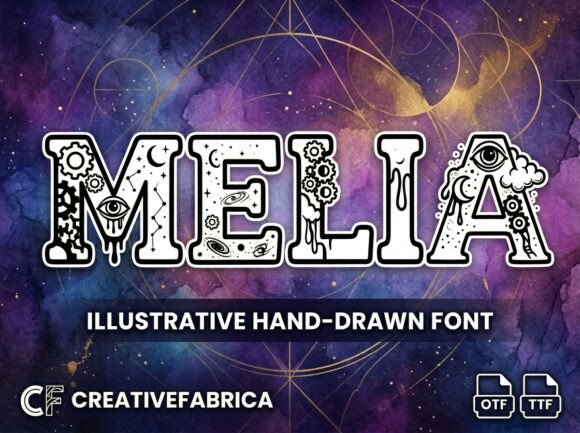
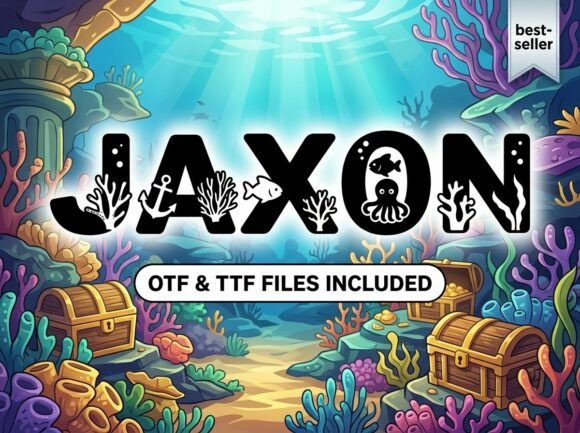
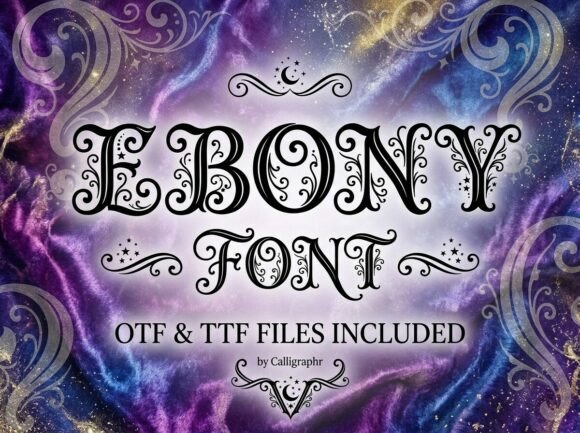
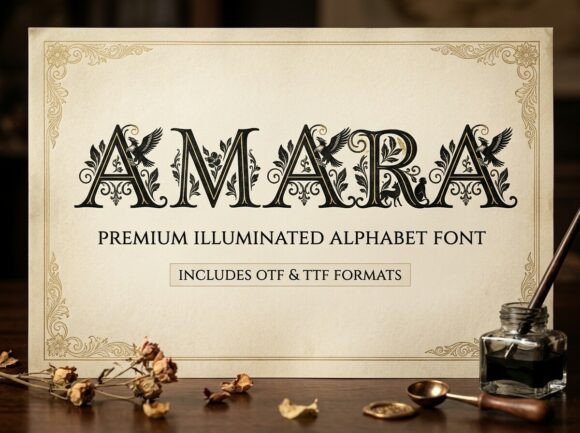
Amara is a decorative display font that commands attention without asking for permission. Its letterforms carry a distinct artistic weight—each character feels individually crafted rather than mechanically generated. The overall personality leans toward bold confidence with subtle creative flourishes that set it apart from standard typefaces you'd find in a typical font library.
What makes Amara interesting is how it balances decorative appeal with professional polish. Many ornamental fonts sacrifice legibility for style, but Amara maintains enough structural clarity to work across real-world applications. The uppercase-only design reinforces this intentional boldness. Every letter demands equal visual space, which creates a powerful rhythm when you set headlines or brand names.
The artistic elements woven into each character give Amara a contemporary feel without veering into trendy territory. It carries personality without feeling gimmicky. Designers who work with this typeface often describe it as having "presence"—that quality where text stops being just words and starts becoming a visual element in its own right.
Logo Design and Brand Identity
Amara excels as a foundation for brand identity work, particularly for businesses that want to project creativity alongside professionalism. Boutique brands, creative agencies, artisan product lines, and lifestyle companies can leverage its distinctive character to build recognition. When you set a brand name in Amara, it becomes an immediate focal point—which is exactly what effective logo design requires.
The all-caps format actually works in your favor here. Brand names in full uppercase carry a sense of authority and confidence. Think about how many recognizable logos use exclusively uppercase lettering. Amara takes that established approach and adds artistic differentiation that helps a brand stand apart from competitors using generic sans serif or serif font options.
Editorial and Publishing Projects
For magazine covers, book titles, chapter headings, and editorial layouts, Amara provides the kind of visual hierarchy that draws readers in. Display fonts exist precisely for this purpose—they handle the heavy lifting of first impressions while body text carries the actual content. Amara performs this role exceptionally well because its decorative qualities don't compromise the fundamental readability of short-form text.
Publishers working on special editions, coffee table books, or creative publications will find Amara particularly useful. It brings a crafted, intentional quality to titles that generic fonts simply cannot achieve. The typeface works especially well when you need a headline to feel like part of the design rather than an afterthought layered on top.
Packaging and Product Design
Product packaging demands fonts that communicate brand values instantly. Amara fits naturally into packaging design for cosmetics, specialty foods, artisan goods, fashion accessories, and home décor products. Its decorative nature signals quality and care—two attributes consumers associate with premium products. When a customer picks up a box or bottle, the typography shapes their first impression before they read a single product description.
The uppercase-only format works particularly well on packaging because physical products need text that remains legible at various distances and angles. Amara's strong letterforms maintain their character whether they're printed large across a box lid or scaled down for ingredient lists and secondary information.
Digital Applications and Social Media
Digital creators and social media managers can use Amara to create graphics that stop the scroll. Instagram posts, Pinterest pins, YouTube thumbnails, and website hero sections all benefit from typography with genuine personality. The font pairs well with photography and illustration, acting as a strong graphic element rather than disappearing into the background.
For web design, Amara works best in controlled doses—hero text, section headers, call-to-action buttons, and navigation labels. Its decorative qualities make extended reading difficult, but for the brief moments when you need a visitor's eye to land on specific text, few typefaces perform better.
Working With an All-Caps Display Font
The uppercase-only format requires a shift in how you approach typography. Without lowercase letters, you lose some of the natural rhythm that mixed-case text provides. This means you need to pay closer attention to letter spacing, line height, and overall composition. Amara's design accounts for this—the letterforms are crafted to work together as a unified uppercase system rather than simply being uppercase versions of a mixed-case design.
When setting headlines in Amara, experiment with tracking adjustments. Slightly increased letter spacing often improves readability and gives the text room to breathe. For shorter text like brand names or single-word headers, tighter spacing can create a more impactful, cohesive block of type.
Choosing the Right Font Pairing
Every display font needs a complementary partner for body text. Amara pairs well with clean, neutral typefaces that provide contrast without competing for attention. A straightforward sans serif font handles body copy effectively, letting Amara's personality shine in headlines without creating visual chaos. Alternatively, a simple serif font can add a touch of traditional elegance that grounds Amara's decorative qualities.
The key principle is balance. If your headline font carries significant visual weight and personality, your supporting typeface should step back and do its job quietly. Avoid pairing Amara with other highly decorative fonts, script fonts, or handwritten fonts—too much personality in a single layout creates confusion rather than impact.
Practical Considerations Before Choosing Amara
The font package includes both OTF and TTF files, giving you flexibility across different design software and platforms. The OTF format works best in professional design applications like Adobe Illustrator, InDesign, and Affinity Designer, while the TTF file ensures compatibility with a broader range of tools and operating systems.
Before committing to Amara for a project, test it with your specific content. Set your actual headlines, brand name, or key text rather than relying on placeholder words. Some letter combinations work better than others in decorative typefaces, and seeing your real content helps you evaluate whether the font serves your project's needs.
Consider your audience and context carefully. Amara suits creative, lifestyle, fashion, beauty, food, and artistic projects naturally. It may feel less appropriate for corporate communications, legal documents, or technical content where neutrality and conventional professionalism are expected. Understanding this distinction helps you deploy the typeface where it genuinely strengthens your design rather than creating a disconnect between visual style and content expectations.
For commercial use, review the licensing terms to ensure they cover your intended applications. Most commercial font licenses accommodate standard business use—logos, marketing materials, digital content, and printed collateral—but specific terms vary. Clarifying this upfront prevents complications later, especially for client work or widely distributed projects.
Making the Most of Your Design Assets
Amara represents one piece of a larger design toolkit. The most effective creative professionals build collections of complementary typefaces, understanding that different projects call for different voices. A premium font like Amara earns its place in your library by filling a specific role—bold, decorative, attention-commanding typography—that standard fonts cannot fill.
Invest time in understanding how Amara behaves at different sizes, in different colors, and against different backgrounds. Test it on screen and in print. Notice how it interacts with your other design elements. This kind of hands-on exploration transforms a font from a downloaded file into a reliable creative tool you can deploy with confidence across your most important projects.