Apricot: A Modern Handwritten Font for Elevated Design
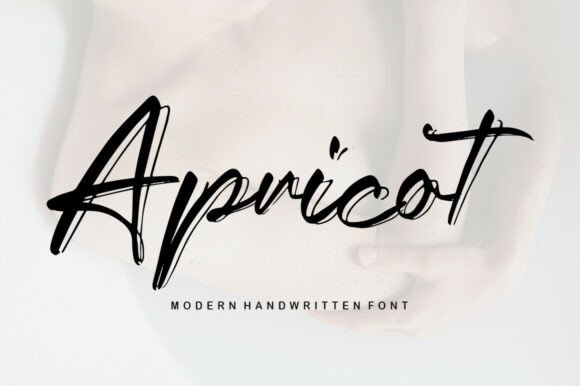
There's a particular quality in a handwritten font that feels both personal and polished. It’s the difference between a casual scrawl and a thoughtful, elegant script. Apricot lives in that sweet spot. It’s not trying to mimic a centuries-old quill perfectly, nor is it mimicking the rough edges of a marker. Instead, it presents a contemporary, refined take on calligraphy. The letterforms are balanced, with a natural flow that feels confident and stylish. This isn't a font that shouts; it speaks with clarity and a touch of sophistication, making it a versatile asset for any creative toolkit.
Where Apricot Truly Shines: Practical Applications
The real value of a creative font like Apricot is how it integrates into your workflow and elevates your projects. Its personality is adaptable, lending itself to a wide range of applications without feeling out of place.
Branding & Identity
For a brand, consistency is everything. Using Apricot as part of your brand identity can inject personality and warmth. It works beautifully for a logo design, especially for businesses in the lifestyle, boutique, artisanal, or wellness spaces. Think of a bakery, a floral studio, a skincare line, or a custom stationery shop. The font’s elegant script can set a tone of quality and care. However, it’s crucial to pair it wisely. Using it for your main body copy would be a mistake. Instead, let it headline your materials. Pair Apricot with a clean, simple sans serif font or a classic serif font for body text. This creates a clear visual hierarchy, where the display font captures attention and the supporting font ensures readability.
Marketing & Digital Presence
In the fast-scrolling world of social media and digital marketing, grabbing attention is half the battle. Apricot excels here. Its distinctive style makes it perfect for social media graphics, quote cards, and promotional announcements. Use it for a key headline on an Instagram post or a call-to-action phrase on a Facebook ad. For web design, it’s best used sparingly but effectively—perhaps for a hero banner headline or a special announcement module. Its PUA encoding is a practical advantage here, giving you easy access to stylistic swashes and alternate glyphs that can add a unique flourish to your designs without needing advanced software skills.
Publishing & Editorial Design
When it comes to editorial design, Apricot can add a human touch to digital and print layouts. It’s an excellent choice for pull quotes, chapter titles, or section headers in a magazine, lookbook, or e-book. The font’s contemporary feel keeps it from looking dated, ensuring your publication feels modern and approachable. For packaging design, it can convey the handmade, artisanal quality of a product. Imagine it on a label for gourmet preserves, a tag for a handmade candle, or the branding for a small-batch cosmetics line. It communicates care and craftsmanship before the customer even tries the product.
Working with Apricot: A Designer’s Perspective
Choosing a premium font is an investment, so it’s important to evaluate it like any other design asset. Here’s how to approach Apricot for your projects.
- Evaluate the Fit: Does the font’s personality align with your project’s tone? Apricot is stylish and contemporary, not whimsical or overly formal. It suits projects that aim for elegance with a modern edge. Test it with a few key words from your project to see if it resonates.
- Test Font Pairings: This is non-negotiable. The strength of a script font or handwritten font is amplified by its partner. Try pairing Apricot with a geometric sans serif like Montserrat for a clean, modern look, or with a transitional serif like Georgia for a more traditional, balanced feel. The contrast should be clear but harmonious.
- Review the Glyphs: A major benefit of Apricot being PUA encoded is the full access to its character set. Open the font in a design application and explore the glyphs panel. You’ll likely find stylistic alternates, swashes, and ligatures that can transform a standard word into a custom-looking piece of lettering. This is where you can truly make the font your own.
- Consider Readability: As with any script font, legibility at small sizes is a concern. Apricot’s balanced forms help, but it should never be used for long paragraphs or critical information at 12pt. Its role is for headlines, short phrases, and accents where its style can be appreciated without compromising understanding.
- Understand the License: Since it’s a commercial font, ensure you have the correct license for your use. Most licenses cover a broad range of applications—from client work and merchandise to digital products—but it’s always wise to check the specifics. A proper license is part of maintaining professionalism and respecting the craft of type design.
Ultimately, a typeface is more than just letters; it’s a voice. Apricot offers a voice that is confident, stylish, and adaptable. By understanding its strengths and applying it thoughtfully, you can leverage this modern typography asset to create more engaging, professional, and memorable designs across all your creative endeavors.