Elmundo: A Modern Sans Serif for Bold Visual Impact
Understanding Elmundo's Visual Language
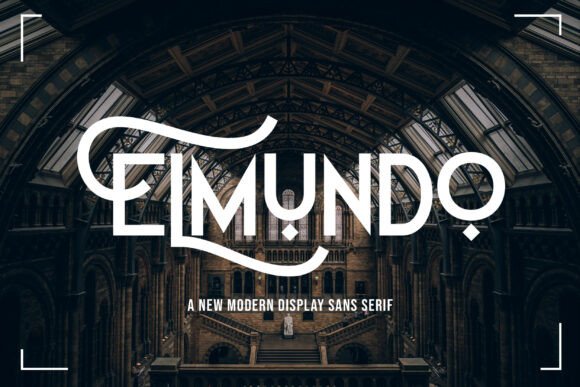
When you first encounter Elmundo, something clicks. It's that rare sans serif typeface that manages to feel both timeless and distinctly contemporary. The clean lines and geometric shapes give it a structured foundation, while subtle details in the letterforms add warmth and personality. This isn't another generic geometric font that fades into the background—Elmundo commands attention without shouting.
The overall design philosophy here leans toward minimalism with an edge. Each character maintains consistent proportions, creating a rhythm that feels natural across headlines, body text, and display applications. The letter spacing is thoughtful, avoiding the cramped feeling some modern typefaces suffer from while still maintaining that tight, intentional look designers often seek for editorial and branding work.
What makes Elmundo particularly interesting is how it balances sophistication with approachability. The geometric underpinnings give it authority, but the slightly rounded terminals and open counters prevent it from feeling cold or mechanical. You get the professionalism of a premium font without sacrificing the human touch that makes typography feel alive.
Branding and Logo Design
For anyone developing a brand identity, Elmundo offers a compelling starting point. Its strong visual presence makes logos memorable, while the clean construction ensures scalability from business cards to billboards. I've seen it work beautifully for lifestyle brands, tech startups, fashion labels, and creative agencies—basically any project that wants to project confidence and modern sophistication.
The typeface carries enough personality to stand alone as a logotype, but it also plays well with other design elements. Pair it with a serif font for contrast, or use it alongside photography and illustration without competing for attention. This versatility is exactly what you need when building a cohesive brand system that needs to work across multiple touchpoints.
Editorial and Publishing Projects
Magazine layouts, book covers, newspaper headers, and digital publications all benefit from Elmundo's clarity and visual hierarchy. The font family typically includes multiple weights, giving you the flexibility to create clear distinctions between headlines, subheadings, and supporting text. When you're designing a 48-page editorial spread, having that range within a single typeface simplifies your workflow considerably.
The readability at various sizes is another practical advantage. While many display fonts sacrifice legibility for style, Elmundo maintains its character even at smaller sizes. This makes it suitable not just for headers but also for pull quotes, captions, and short paragraphs where you want to maintain a consistent typographic voice throughout the publication.
Digital and Web Applications
Web designers and content creators will appreciate how Elmundo translates to screen. The letterforms are optimized for digital rendering, maintaining their crisp edges across different devices and resolutions. Whether you're designing a landing page, building a SaaS dashboard, or creating social media graphics, this typeface delivers consistent results.
For social media specifically, Elmundo's bold presence makes it ideal for Instagram stories, LinkedIn graphics, Pinterest pins, and YouTube thumbnails. The geometric construction reads well at small sizes on mobile screens, while the contemporary styling feels native to digital platforms. It's the kind of creative font that helps your content stand out in crowded feeds without resorting to gimmicks.
Packaging and Print Design
Product packaging demands a typeface that communicates quickly and leaves a lasting impression. Elmundo's strong personality makes it excellent for labels, boxes, shopping bags, and point-of-sale displays. The clean lines reproduce well across different printing methods, from offset lithography to digital printing to screen printing on merchandise.
Fashion and beauty brands, in particular, find Elmundo's aesthetic aligns perfectly with their visual expectations. It brings that high-fashion editorial quality to packaging design while remaining versatile enough for everyday consumer products. Coffee roasters, skincare companies, boutique hotels, and artisan food brands have all used similar modern typography approaches to elevate their packaging.
Evaluating Project Fit
Before committing to any typeface, consider your project's personality and audience. Elmundo works best when you need to communicate modernity, clarity, and confidence. If your brand leans toward traditional, handcrafted, or vintage aesthetics, a different approach might serve you better—perhaps a serif font or handwritten font would align more naturally with your visual story.
Ask yourself these questions: Does my audience expect contemporary design? Am I trying to stand out from competitors who use similar visual language? Do I need a typeface that works across multiple applications? If you answered yes to most of these, Elmundo deserves serious consideration in your design toolkit.
Testing Font Pairings
One of the most valuable skills in typography is knowing how to pair fonts effectively. Elmundo's geometric sans serif personality creates beautiful contrast with traditional serif fonts like Garamond or Baskerville. For a more harmonious pairing, try it with a humanist sans serif that shares similar proportions but offers softer characteristics.
When testing pairings, create sample layouts that reflect your actual project needs. Set headlines in Elmundo at various weights, then test body text options at paragraph length. Look for contrast in structure but harmony in mood. The goal isn't to find fonts that match perfectly—it's to find combinations where each typeface enhances the other's strengths.
Understanding Licensing and Usage
Before finalizing your font choice, review the licensing terms carefully. Most premium fonts come with specific usage restrictions covering desktop installation, web embedding, app integration, and commercial applications. Understanding these terms upfront prevents headaches later, especially if your project scales or expands into new channels.
For commercial projects, ensure your license covers all intended uses. If you're designing for a client, clarify whether they need their own license or if yours extends to deliverables. Some licenses are per-user, others per-project, and some offer unlimited usage. Reading the fine print protects both you and your clients from unexpected licensing issues down the road.
Making the Most of Your Typography Investment
Choosing a typeface like Elmundo is an investment in your project's visual foundation. To maximize that investment, explore the full range of available weights and styles. Many designers only use Regular and Bold, missing out on the subtle hierarchy possibilities that Light, Medium, Semibold, and Black weights provide. Each weight serves a specific purpose in your typographic system.
Take time to study the font's OpenType features as well. Alternate characters, ligatures, and stylistic sets can add unique touches to your designs without requiring additional fonts. These features often go unnoticed, but they're what separate good typography from great typography. They give you creative control while maintaining the typeface's cohesive visual identity.
Finally, remember that typography is just one element in your broader design system. Elmundo provides an excellent foundation, but its effectiveness depends on how well it integrates with your color palette, imagery, layout grid, and overall brand strategy. The best typeface choices feel inevitable—as if no other option could possibly work. When Elmundo is the right fit, you'll know it immediately.