Wobble: The Playful Sans Serif That Breaks the Mold
More Than Just Letters on a Page
Let's be honest: the design world is full of clean, predictable typefaces. They're safe, they're professional, and sometimes, they're a little boring. If you've ever felt that your project needs a jolt of energy, a dash of personality, and a confident disregard for convention, then Wobble is the experimental sans serif you've been waiting for. This isn't a font that sits quietly in the background; it's a design collaborator with its own rhythm and voice.
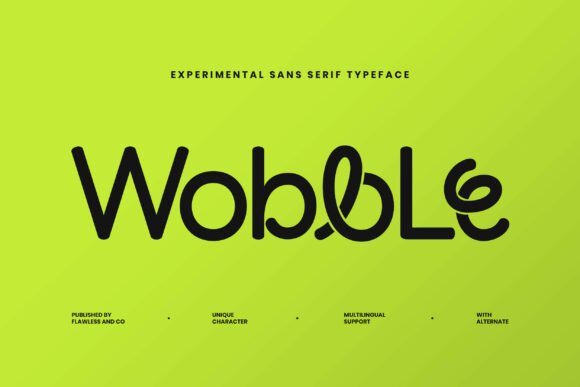
At first glance, Wobble is unmistakably modern and bold. Its character comes from what designers call "twisted terminals"—look closely at the end of the 's', and you'll see it doesn't just stop; it curls with a subtle, organic flourish. The curves are smooth but dynamic, never allowing the eye to rest too comfortably. This creates a fascinating tension between the structured world of sans serif fonts and the free-flowing nature of hand-drawn illustration. It’s a typeface that feels alive, as if the letters are mid-dance, capturing movement and a slightly offbeat, human-centered energy. The style sits at the intersection of futuristic design and artistic expression, making it ideal for brands that want to appear innovative yet approachable.
Finding the Perfect Stage for Wobble
The true test of a creative font like Wobble is understanding where its unique personality shines and where it might overwhelm. Its strength lies in display and headline applications. Think of the first thing a customer sees: a logo design for an indie coffee roaster, the masthead of an editorial design for a culture magazine, or the hero text on a web design homepage for a boutique creative agency. In these roles, Wobble doesn't just convey information; it sets an immediate tone of creativity and confidence.
Beyond the digital screen, this premium font excels in physical applications where tactile appeal is key. For packaging design, especially for artisanal products, craft beverages, or gourmet snacks, its playful curves can communicate quality and a distinct brand story without saying a word. It’s equally at home on social media graphics and expressive posters, where grabbing attention in a crowded feed is paramount. The key is to use it for short, impactful bursts of text—headlines, logos, pull quotes—rather than for long paragraphs of body copy, where its distinctive forms could hinder readability.
The Strategic Power of a Quirky Typeface
Choosing a typeface like Wobble is a strategic decision that influences much more than aesthetics. In brand identity, font choice is a cornerstone of perception. Selecting a sans serif font with this level of character signals that a brand is bold, innovative, and not afraid to stand out. It can make a new startup feel instantly established and memorable, or give an established company a fresh, contemporary edge. The visual hierarchy it creates is immediate and powerful; a headline in Wobble will naturally draw the eye before the reader even processes the words.
However, this power comes with responsibility. The very features that make Wobble appealing—its twisted forms and dynamic rhythm—require careful handling to maintain professionalism. Always pair it thoughtfully. A robust, neutral serif font or a clean, simple sans serif for body text will provide a stable foundation, allowing Wobble to be the star without causing visual chaos. Test your pairings extensively. View them at small sizes and on different backgrounds to ensure your font pairing works harmoniously. Consider the included alternate lowercase characters as well; they offer subtle variations that can help refine a logo or create a custom feel, adding another layer of uniqueness to your design assets.
Practical Considerations for Your Project
Before committing to Wobble for a commercial project, a few practical steps will ensure a smooth experience. First, evaluate the project fit. Is the brand voice playful, artistic, or avant-garde? If the project demands extreme formality or extensive body text, a different typeface might be better. Next, explore the full character set. With PUA encoding, all special characters and decorative elements are easily accessible in most design software, which is a huge plus for efficiency.
Finally, understand the licensing. As a commercial font, ensure the license covers your intended use—whether for a single client logo, a full branding suite, or a digital product for sale. This isn't just about legality; it's about respecting the craft of the type designer. When used with intention and care, Wobble becomes more than just a creative font. It becomes a tool for storytelling, a catalyst for engagement, and a definitive piece of your project's visual identity, helping you create work that is not only seen but remembered.