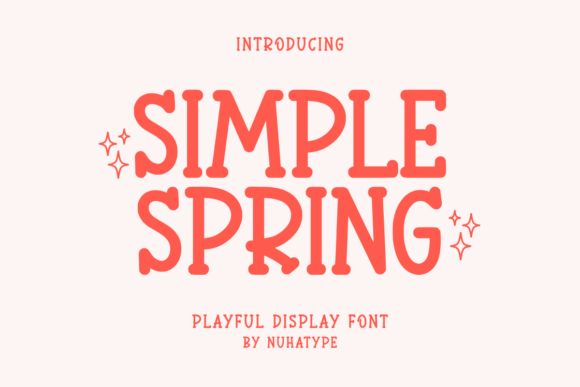
Simple Spring: An Elegant, Minimalist Sans Serif Font
When a project calls for something clean, modern, and effortlessly readable, the search for the right typeface can feel endless. You need a font that communicates clarity without sacrificing personality. This is where a design like Simple Spring enters the conversation. It’s a thin, minimalist sans serif font that captures the organic charm of natural handwriting, offering a fresh alternative to standard display fonts and overused script fonts. Its strength lies in its subtlety, making it a powerful tool for designers, crafters, and brand builders who value understated elegance.
Understanding Simple Spring's Visual Character
At its core, Simple Spring is a study in refined simplicity. The letterforms are characterized by their thin, consistent strokes and a gentle, almost imperceptible rhythm that mimics the flow of a pen on paper. Unlike a bold, heavy typeface that demands attention, Simple Spring invites it. Its sans serif structure ensures it feels contemporary and clean, while its handwritten nuances prevent it from feeling sterile or overly corporate. This duality is its greatest asset. It sits comfortably in the space between a formal sans serif font and a casual script font, offering the best of both worlds: professionalism and approachability.
The overall personality of the Simple Spring typeface is one of quiet confidence. It doesn't shout; it speaks clearly. This makes it exceptionally versatile. In the world of modern typography, where legibility across devices is paramount, a premium font with these characteristics is invaluable. It’s designed not just to look good on a screen but to perform well in print, from the fine lines of a planner layout to the crisp edges of a label on packaging.
Practical Applications: Where Simple Spring Truly Shines
The real test of any creative font is how it performs in the wild. Simple Spring’s minimalist nature makes it a natural fit for a wide array of projects, particularly where clarity and a personal touch are needed.
For Digital and Editorial Design: In web design and social media graphics, Simple Spring excels as a headline or accent font. Its thin weight creates beautiful, airy layouts that are easy on the eyes. Imagine it used for pull quotes in a blog post, elegant headings on a landing page, or clean text overlays on Instagram stories. It provides a sophisticated hierarchy without overwhelming the content. For editorial design, such as digital magazines or lookbooks, it can be used for subheadings, captions, and bylines to add a layer of refined style.
For Branding and Packaging: If your brand identity leans towards minimalism, wellness, boutique retail, or artisanal goods, Simple Spring could be your cornerstone typeface. It’s particularly effective for logo design where a clean, memorable wordmark is the goal. Think of a skincare line, a yoga studio, or a specialty coffee shop. In packaging design, it works beautifully for product names, ingredient lists, and short descriptive text, lending an air of thoughtful craftsmanship. Its clarity ensures all necessary information is legible, even at small sizes.
For Crafting and Physical Products: This is where Simple Spring’s handwritten quality truly comes alive. For Cricut and Silhouette users, it’s a dream. Its clean lines and consistent spacing make it ideal for cutting intricate designs for stickers, labels, and decals. The font’s elegant thinness allows for detailed cuts without the material tearing. It’s perfect for personalizing tumblers, mugs, and tote bags with names, monograms, or inspiring quotes. For creators on platforms like Etsy, using Simple Spring can elevate a product from homemade to professionally designed.
For Publishing and Personal Projects: The font is a standout choice for interior KDP (Kindle Direct Publishing) books, especially in genres like journals, planners, and quote books. Its readability and gentle aesthetic make it perfect for chapter titles, section headers, and motivational phrases scattered throughout a planner. It avoids the fatigue that can come with reading dense, complex typefaces, making it a joy for the end-user to interact with day after day.
Making the Most of Simple Spring: A Designer’s Guide
Choosing a font is just the first step. Using it effectively is what separates good design from great design. Here’s how to integrate Simple Spring into your workflow with purpose.
Evaluating Project Fit: Ask yourself: Does my project need to feel clean, personal, and modern? If you’re designing a corporate financial report, a heavy serif font might be more appropriate. But for a wedding invitation suite, a boutique website, or a line of artisanal candles, Simple Spring is an excellent candidate. Always consider the tone and audience. Its elegance appeals to adults seeking sophistication without pretension.
Mastering Font Pairing: No font is an island. Simple Spring pairs exceptionally well with other typefaces. For a classic, high-contrast look, pair it with a traditional serif font like Garamond or Times New Roman for body text. For a completely modern, minimalist aesthetic, use it alongside a geometric sans serif like Montserrat or Lato. The key is to let Simple Spring be the star in headlines or accents while its partner handles longer paragraphs. This creates a clear visual hierarchy and maintains brand consistency.
Ensuring Readability and Professionalism: Because it is a thin typeface, pay close attention to size and color contrast. At very small sizes or on low-contrast backgrounds (like light gray text on white), it can become difficult to read. Always test your designs on multiple devices and, if printing, do a physical proof. For body copy, a slightly larger point size or a slightly darker color than you might use for a bolder font will ensure your content remains accessible and professional. This attention to detail boosts audience engagement and builds trust.
Leveraging Included Styles: Most commercial fonts, including quality options like Simple Spring, come with more than just the basic alphabet. Check for included features like ligatures (special character pairs), stylistic alternates, and multilingual support. These extras can add a unique, custom feel to your design assets, making your work stand out. Using a stylistic alternate on a logo’s capital letter, for instance, can be the subtle touch that makes the design memorable.
In a landscape crowded with loud, decorative typefaces, Simple Spring offers a breath of fresh air. It’s a testament to the power of restraint in design. By understanding its character and applying it thoughtfully, you can leverage this elegant sans serif font